Bed bug thermal and chemical remediation targets both mature insects and dormant eggs across Lubbock County properties. Over-the-counter pyrethroid foggers frequently trigger dispersal events, driving insects deeper…
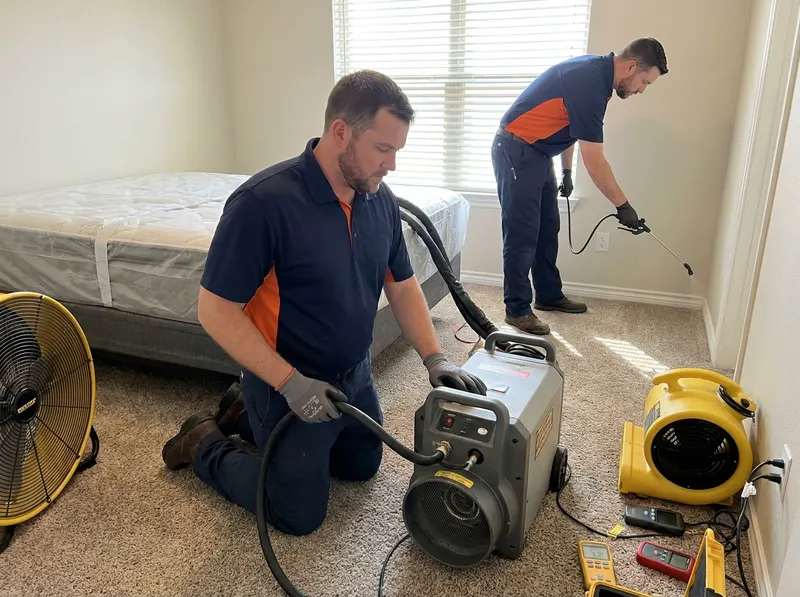
Bed bug thermal and chemical remediation targets both mature insects and dormant eggs across Lubbock County properties. Over-the-counter pyrethroid foggers frequently trigger dispersal events, driving insects deeper into drywall cavities, baseboard crevices, and subflooring. Clinical eradication relies on two distinct mechanisms: thermal remediation elevates ambient wall cavity temperatures to 120°F to 140°F to denature pest proteins instantly, while targeted liquid chemical residuals deposit non-repellent microencapsulated barriers that interrupt the reproductive cycle for emerging nymphs.
Option selection depends directly on property layout and structural volume. For high-density student housing near Texas Tech University in North Overton or historic pier-and-beam homes in Tech Terrace and Rush, targeted dual-action chemical protocols are often optimal because uninsulated architectural framing disperses heat unevenly. Conversely, contained single-family residential properties in Vintage Township, Lakeridge, and Shadow Hills achieve rapid single-day elimination through whole-room thermal heating, trading extended prep times for immediate, pesticide-reduced knockdown. Multi-family complexes and brick ranch layouts in Melonie Park and Bayless Atkins benefit from hybrid applications that seal adjoining utility chases against migration.
Every structural intervention follows an exact sequential protocol to ensure complete safety and biological eradication. Step 1: Technicians conduct an inspection of mattress seams, box springs, headboards, and perimeter carpet tack strips to map infestation borders. Step 2: Occupants remove heat-sensitive items including aerosol cans, cosmetics, and fine musical instruments before heating units engage. Step 3: Industrial heaters and high-velocity air movers distribute controlled convective heat across interior voids, held at lethal thermal minimums for 120 to 180 minutes. Step 4: Technicians apply EPA-registered residual liquid spot applications behind electrical outlet covers, baseboards, and window trim to maintain defensive barriers after cooldown. Step 5: Properties are cleared for human and pet re-entry once indoor temperatures normalize to 72°F and liquid applications dry thoroughly, requiring no recurring annual service contracts.
Every job gets a firm, written price after a free on-site visit.
Tell us about your bed bug thermal & chemical treatment job in Lubbock and we'll send a clear, written quote, usually the same day.
 Torvexa Pest Management